

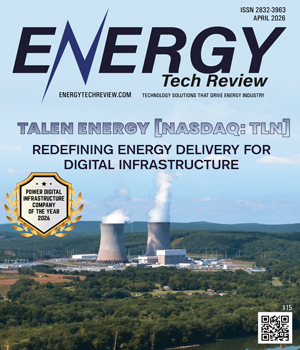

As clean energy systems scale, the intersection of material science and infrastructure design is redefining how energy is produced, delivered, and sustained. In this issue of Energy Tech Review, we explore how advancements across both foundational materials and generation models are enabling more efficient, reliable, and scalable energy ecosystems.
At the forefront of this edition is the complimentary cover story on Talen Energy [NASDAQ: TLN], which reflects a decisive shift in how power generation aligns with the demands of digital infrastructure. As data centers and AI-driven workloads introduce continuous, high-density energy consumption, Talen Energy’s coordinated portfolio of nuclear baseload and flexible natural gas generation delivers both stability and adaptability. Its ability to align asset deployment with real-time demand patterns underscores a model in which reliability, consistency, and infrastructure positioning define competitive advantage in modern energy markets.
Recognized as Top Clean Energy Ion Exchange Membranes Solution 2026, Orion Polymer advances non-PFAS ion exchange membrane technologies. At the materials layer, the company has developed a unified, scalable platform adaptable across multiple clean energy applications. Its anion-exchange membrane technology provides a compelling alternative to conventional proton-exchange membranes by eliminating reliance on costly precious metals while enabling alkaline system design. By addressing durability, cost and manufacturing constraints, Orion Polymer is helping remove key barriers to the broader adoption of green hydrogen and related energy systems.
Leadership perspectives further strengthen the discussion around energy transformation. Bill Quinlan, President of Transmission and Offshore Wind Projects at Eversource Energy, emphasizes the importance of building a resilient and modern grid to support large-scale clean energy integration while ensuring long-term reliability. Enoch Charles, Information Technology - Smart Grid Transport Manager at CenterPoint Energy, highlights the growing role of IoT, fiber networks and smart grid transport systems in enabling interconnected energy ecosystems capable of supporting digital and physical convergence.
As the energy landscape evolves, progress will be defined by the ability to integrate material innovation, intelligent infrastructure, and disciplined execution. We invite readers to explore the full issue and engage with the ideas shaping the future of energy.